Consumer electronics store website design that keeps up with launches.
Electronics buyers check that a device works with what they own, add the accessories it needs and want to know when new models arrive. DIGITALON designs and builds WooCommerce stores for Australian electronics retailers from Wurtulla on the Sunshine Coast, with supplier feeds and pre-orders quoted before work starts.
Nothing electronic is bought on its own.
A phone case has to fit the exact model, a smart plug has to work with the buyer's home system and a controller has to suit their console. Electronics shoppers buy into what they already own, then look for the charger, case or memory card that goes with it. The product page has to answer both questions, or the buyer goes looking for the answer somewhere else.
We build electronics stores for a range that never sits still. Compatibility is entered as product attributes buyers can filter, accessories are linked to the devices they suit, and new models can start as a copy of the one they replace. Supplier data can be imported, coming stock and release dates show on the product, and warranty details sit in the same place on every page.
Will it work with what I own?
A new device has to join the phone, home or console the buyer already has.
- Phone model, connector and charging standard
- Smart home platform it works with
- Console generation for gaming gear
Sell the device and what goes with it.
Each product page carries its compatibility, its accessories and its arrival date.
- Compatibility as filterable attributes
- Accessories linked to every device
- Release dates and warranty on the page
What a consumer electronics store website needs.
Electronics retail turns over models quickly and sells in sets, so product data, accessories and launches are planned before the design.
Works with the gear they own
Which phone models a case fits, the connector and charging standard, the smart home platforms a device works with and the console a controller suits are entered as product attributes, so a buyer can filter to what works with their own gear. Filters come with Standard.
Accessories attached to every device
Cases, chargers, cables, memory cards and spare controllers are linked to the devices they suit, shown on the product page and again in the cart, so a phone sold without a charger in the box is not left without one. Bundles with their own price are a quoted extension.
Launch days and stock arrivals
Announced models can go up early with the release date shown, and stock you are waiting on can be sold on backorder, with the expected arrival shown on the page. Pre-orders that charge now or on release, and back-in-stock alerts, are extensions quoted at scoping.
Model changeovers without dead ends
When a model is replaced, the new product can start as a copy of the old one, so only the changed specs and photos need editing. The old page can stay up with a link to its successor, or be redirected, instead of becoming a dead end.
Supplier data, made your own
Distributors supply specifications, images and barcode numbers (GTIN or EAN), which can be imported rather than typed, with the import quoted once we have seen the file. The same supplier description can appear on many stores, so a short summary in your own words helps your page stand apart.
Warranty details on every product
The warranty period, whether the item is Australian stock and how to make a claim sit in the same place on every product page, with your returns policy a click away. The terms come from you and the manufacturer; the store's job is to show them consistently, not to decide them.
eCommerce packages for electronics retailers.
Three one-off build prices. Compatibility filters, customer accounts and advanced shipping rules usually point to Standard; Premium adds Apple Pay, Google Pay and Afterpay, live search and product compare.
Basic
A simple online shop with everything it takes to sell properly.
$4,990One-off build price
- 6 pages: home, about, contact, shop, cart and checkout
- Mobile optimisation
- Card and PayPal payments
- Flat-rate or free shipping
- WordFence firewall and SSL certificate
- Links to your social media
- Nightly backups
Standard
A professional store for a real catalogue, with accounts and automation.
$5,990One-off build price
- 10 website pages
- Everything in Basic, plus
- Search engine optimisation (SEO)
- Customer accounts and order history
- Product filters and categories
- PDF invoices and packing slips
- Wish list and discount coupons
- Advanced shipping rules
- Google Analytics
- 1:1 website training
Premium
For stores pushing on sales: more ways to pay, find and follow an order.
$7,990One-off build price
- 20 website pages
- Everything in Standard, plus
- AI search optimisation (GEO)
- Mega menu
- Apple Pay, Google Pay and Afterpay
- Shipping cost calculator and order tracking
- Live product search and product compare
- Blog
- Your CRM integrated
Hosting, your domain, your payment provider’s transaction fees and ongoing maintenance are separate. The page counts are website pages, not a product limit: catalogue size, product imports, migrations and custom integrations are agreed and quoted before work starts. Compare every inclusion and the optional features on eCommerce pricing, or see website design packages if you do not need a shop.
Your store, your hosting, your login.
Every DIGITALON store is a custom WordPress and WooCommerce build. WooCommerce is free and open source, takes no commission on your sales and runs on hosting you choose, with the administrator login yours from day one.
The shop and the pages that bring shoppers to it live in one WordPress site, edited the same way. You can run it yourself, or hand the updates to the team that built it.
No platform commission
Your payment provider charges its transaction fee. WooCommerce itself takes no percentage of your sales and has no monthly platform fee.
Hosting you choose
Keep your own host, or use our managed WordPress hosting, sized for the catalogue and the traffic you expect.
Care after launch
Our maintenance packages cover plugin and WooCommerce updates, backups, security checks and support.
One Australian team
The people who scope, design and build the store are the people who answer your questions, from Wurtulla on the Sunshine Coast.
From brief to first order.
A basic store usually takes two to three weeks. Extra features and integrations add time, and we tell you how much before we begin.
Scope and price
We agree the pages, catalogue, features and search work, then confirm the package, any extras and the payment stages in writing.
Design
You see the design and sign it off before the build starts, while changing a layout is still quick.
Build and test
Products, payments, shipping and tax are set up in WooCommerce, then tested with real orders on a phone and a desktop.
Launch and hand over
We go live and hand over your administrator login. Standard and Premium include one-to-one training on your own store.
Online stores we have built.
These are stores and online sales sites our team designed and built. They show completed work, not a promise of the same result for every business.
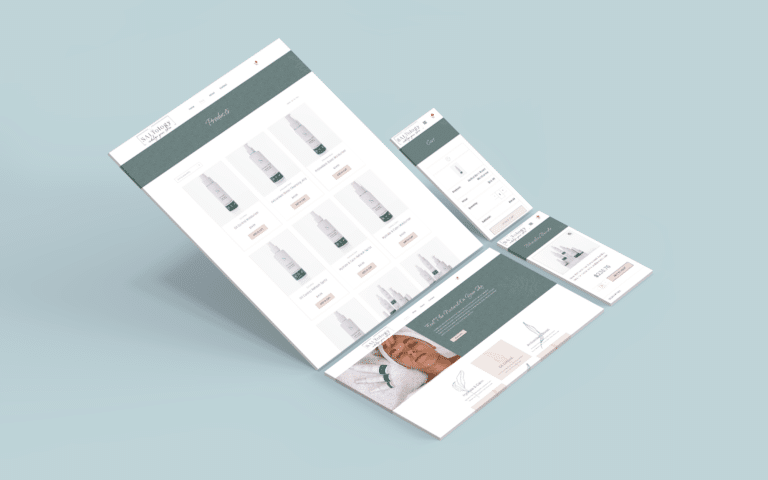 Beauty & skincareNatural Skincare Shop
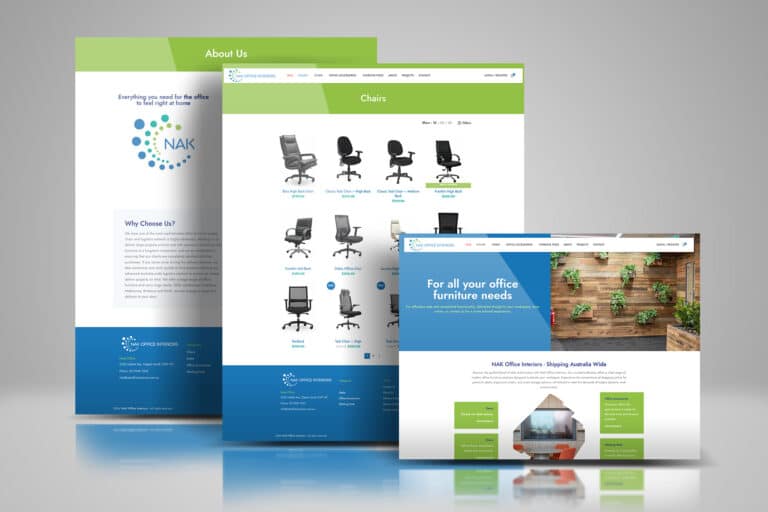 FurnitureOffice Furniture Shop
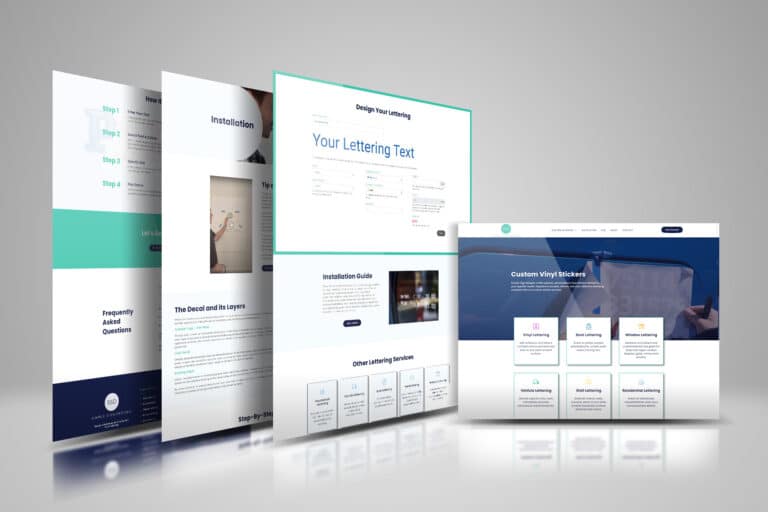 Made to orderCustom Vinyl Lettering
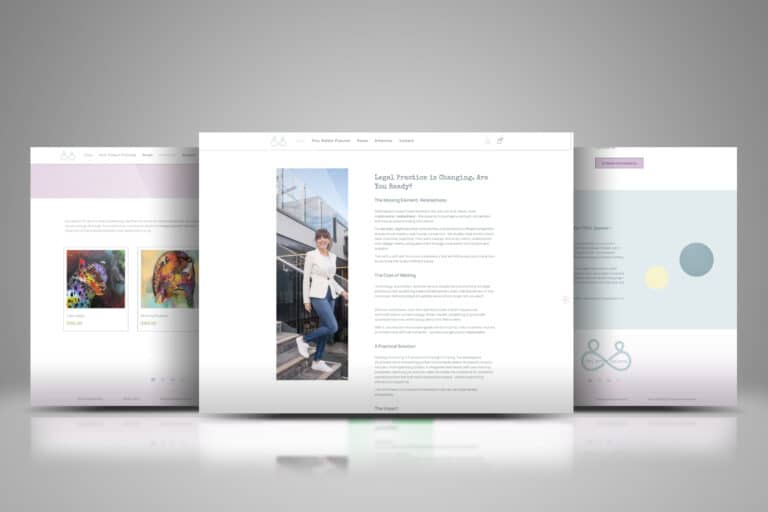 Books & consultingLegal Consulting & Author
 Retreats & coursesHoffman Process Australia
 CoursesOnline English Teaching
The client view.
I was very impressed as they were very responsive and helpful as I was a newbie. Good communication with Sabrina who took the time to explain all the process and gave some tips.
Consumer electronics store website questions.
Compatibility, accessories, launches, supplier data, warranty, shipping, price and timing.
Ask us about your storeHow is a consumer electronics store priced, and is GST included?
As a one-off build price in Australian dollars, with GST included: $4,990 for Basic (6 pages), $5,990 for Standard (10 pages) or $7,990 for Premium (20 pages). Supplier imports or feeds, pre-orders, product bundles and point-of-sale connections are quoted before work starts.
Every inclusion is on our eCommerce pricing page; hosting, your domain, payment provider fees and any optional extensions are separate.
Which package fits a store selling phones, audio and smart home gear?
Standard suits most electronics retailers: product filters and categories for compatibility, customer accounts with order history, PDF invoices, discount coupons, advanced shipping rules and keyword research with on-page SEO. Premium adds Apple Pay, Google Pay and Afterpay (which sets its own spending limits), live product search, product compare, a mega menu for a wide range, order tracking and AI search optimisation (GEO). Basic suits a small accessory range with simple shipping.
Can shoppers filter accessories by the phone or console they own?
Yes. Phone model, connector, charging standard, console and smart home platform are set up as product attributes, so a buyer can narrow cases, chargers or controllers to the ones that suit their device; product filters come with Standard. A finder that asks for the device first and then shows only matching products is custom work, quoted to scope.
How do we sell the accessories that go with each device?
By linking them to it. WooCommerce shows the accessories you choose on a device's product page and suggests others in the cart, so a buyer sees the case, charger or memory card before paying. A bundle at its own price, such as a console with a second controller, uses a quoted extension or the dynamic pricing add-on.
Can customers pre-order a model before its release date?
Yes, with a pre-order extension quoted at scoping, which can take payment when the order is placed or when the model is released. Without it, an announced model can still go up early as coming soon, and stock you are waiting on can be sold on backorder with the expected arrival shown.
Where does warranty information go in an electronics store?
On every product page, in the same place each time, and on a warranty and returns page. The warranty period, whether the item is Australian stock and how to make a claim can be product details, so buyers can check them before paying. The terms come from you and the manufacturer; the store displays them consistently.
Can our staff add new models and retire old ones after launch?
Yes. You receive the administrator login and own the store, a new model can start as a copy of the one it replaces, and the old page can stay up with a link to its successor or be redirected, with one-to-one training in Standard and Premium. Supplier imports are quoted once we have seen the file, and our maintenance packages and managed WordPress hosting cover updates, backups and security.
How do we ship power banks and other lithium battery items?
Through shipping rules agreed at scoping. Carriers set their own rules for lithium batteries, so which services those products may use is agreed with you. Every package includes flat-rate or free shipping, Standard adds rules by weight, location and cart value, Premium adds a shipping cost calculator and order tracking, and live Australia Post, Sendle or courier rates are a quoted add-on.
Will a new model's page show up in Google?
It can, but no one can promise when or where it will rank. Standard and Premium include keyword and category research and on-page work, so a model's page carries the exact name buyers search for from the day it goes up. Premium adds AI search optimisation (GEO); ongoing work after launch is our SEO service.
How long will our electronics store take to build?
A basic store usually takes two to three weeks. A supplier feed, pre-orders, bundles or a large range add time, and we agree the schedule with the scope and price; if you are planning around a product launch, tell us the date at the start.
Let's plan your electronics store.
Tell us which brands and categories you carry, how often your range turns over and where your product data comes from. DIGITALON's in-house team at Wurtulla on the Sunshine Coast will match the store to a package, price any supplier feed or pre-order feature separately and confirm it in writing, wherever you trade in Australia.