Auto parts store website design for catalogues that grow.
Parts buyers search by part number, vehicle and brand, and they need to trust the part is right before they pay. DIGITALON designs and builds WooCommerce stores for Australian parts retailers from Wurtulla on the Sunshine Coast, with the catalogue and data import planned first.
Wrong parts cost both sides money.
An auto parts catalogue is large, technical and always changing. Workshops search by part number or an equivalent from another brand, home mechanics search by vehicle, and both need to see stock, price and fitment before ordering. When the data behind the store is incomplete, the cost shows up as returns, freight both ways and time on the phone.
We start with the data. Part numbers, cross-references, brands and compatible vehicles are mapped from your supplier or stock files into WooCommerce products and attributes, then the store is designed around how your customers search. Trade or workshop accounts can sit alongside retail pricing, and returns for the wrong part are explained before checkout rather than argued after it.
Numbers, vehicles and brands.
Workshops and home mechanics look for the same part in different ways.
- Part numbers and equivalents
- Vehicle make, model and year
- Stock and delivery time
A catalogue it can trust.
Accurate data makes search, filters and stock counts work at scale.
- Imports from supplier files
- Cross-references searchable
- Trade pricing for approved accounts
What an auto parts store needs.
Parts retail lives or dies on catalogue data, so the data comes first.
Product data imported, not retyped
Part numbers, descriptions, prices, stock and images mapped from your supplier or stock files into WooCommerce. Imports are scoped and quoted once we have seen the files, because data quality decides most of the work.
Search by part number and equivalent
Workshops often search by a manufacturer number or another brand's equivalent. Storing cross-references with each product makes them findable, and Premium adds live product search that shows results as people type.
Fitment by vehicle
Compatible makes, models and years recorded as attributes, so filters show the parts that fit. Product filters come with Standard; a store-wide vehicle selector is quoted to scope.
Trade and workshop accounts
A trade area with approved accounts and trade pricing can sit alongside retail, quoted to scope. Customer accounts with order history for repeat buyers come with Standard.
Stock that stays accurate
Large catalogues change daily. Stock can be updated in bulk from a file, or kept in step with your point-of-sale or inventory system through a quoted integration, so customers do not order a part you do not have.
Returns for the wrong part
A clear policy for incorrect or unwanted parts, shown on product pages and at checkout, plus fitment notes that reduce wrong orders in the first place.
eCommerce packages for auto parts stores.
Three one-off build prices. Most parts catalogues need Standard or Premium; data imports, trade pricing and system connections are quoted on top.
Basic
A simple online shop with everything it takes to sell properly.
$4,990One-off build price
- 6 pages: home, about, contact, shop, cart and checkout
- Mobile optimisation
- Card and PayPal payments
- Flat-rate or free shipping
- WordFence firewall and SSL certificate
- Links to your social media
- Nightly backups
Standard
A professional store for a real catalogue, with accounts and automation.
$5,990One-off build price
- 10 website pages
- Everything in Basic, plus
- Search engine optimisation (SEO)
- Customer accounts and order history
- Product filters and categories
- PDF invoices and packing slips
- Wish list and discount coupons
- Advanced shipping rules
- Google Analytics
- 1:1 website training
Premium
For stores pushing on sales: more ways to pay, find and follow an order.
$7,990One-off build price
- 20 website pages
- Everything in Standard, plus
- AI search optimisation (GEO)
- Mega menu
- Apple Pay, Google Pay and Afterpay
- Shipping cost calculator and order tracking
- Live product search and product compare
- Blog
- Your CRM integrated
Hosting, your domain, your payment provider’s transaction fees and ongoing maintenance are separate. The page counts are website pages, not a product limit: catalogue size, product imports, migrations and custom integrations are agreed and quoted before work starts. Compare every inclusion and the optional features on eCommerce pricing, or see website design packages if you do not need a shop.
Your store, your hosting, your login.
Every DIGITALON store is a custom WordPress and WooCommerce build. WooCommerce is free and open source, takes no commission on your sales and runs on hosting you choose, with the administrator login yours from day one.
The shop and the pages that bring shoppers to it live in one WordPress site, edited the same way. You can run it yourself, or hand the updates to the team that built it.
No platform commission
Your payment provider charges its transaction fee. WooCommerce itself takes no percentage of your sales and has no monthly platform fee.
Hosting you choose
Keep your own host, or use our managed WordPress hosting, sized for the catalogue and the traffic you expect.
Care after launch
Our maintenance packages cover plugin and WooCommerce updates, backups, security checks and support.
One Australian team
The people who scope, design and build the store are the people who answer your questions, from Wurtulla on the Sunshine Coast.
From brief to first order.
A basic store usually takes two to three weeks. Extra features and integrations add time, and we tell you how much before we begin.
Scope and price
We agree the pages, catalogue, features and search work, then confirm the package, any extras and the payment stages in writing.
Design
You see the design and sign it off before the build starts, while changing a layout is still quick.
Build and test
Products, payments, shipping and tax are set up in WooCommerce, then tested with real orders on a phone and a desktop.
Launch and hand over
We go live and hand over your administrator login. Standard and Premium include one-to-one training on your own store.
Online stores we have built.
These are stores and online sales sites our team designed and built. They show completed work, not a promise of the same result for every business.
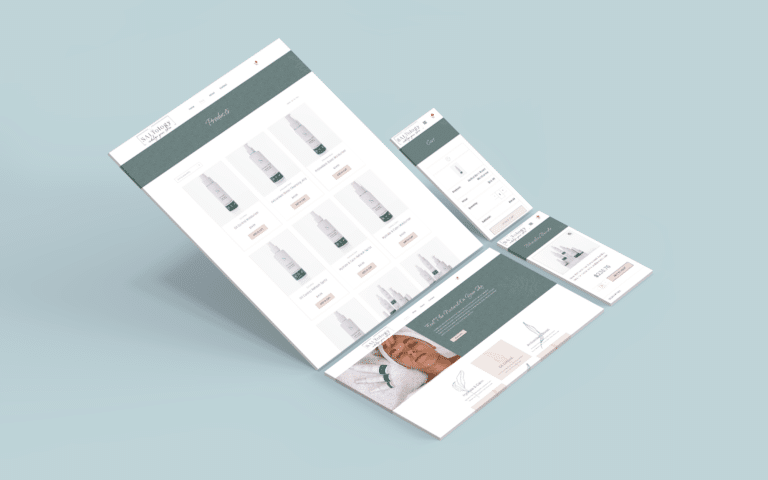 Beauty & skincareNatural Skincare Shop
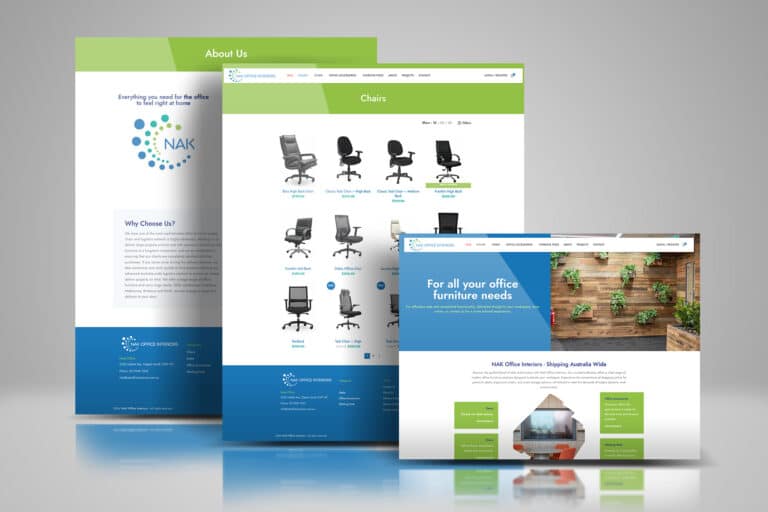 FurnitureOffice Furniture Shop
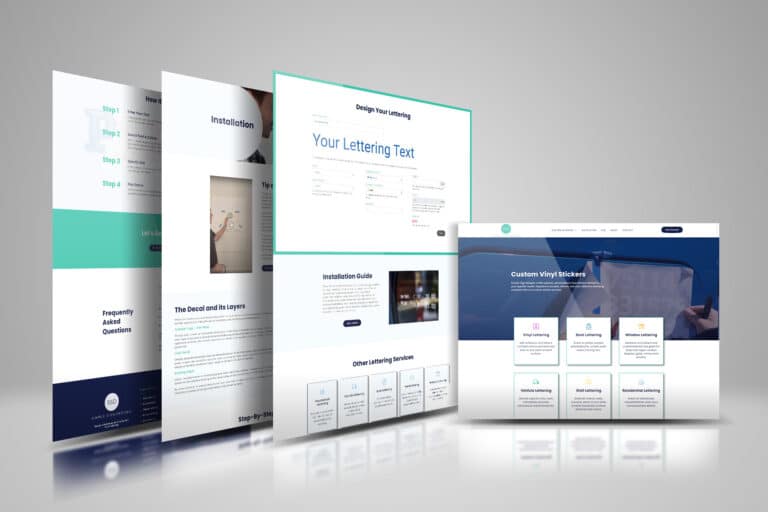 Made to orderCustom Vinyl Lettering
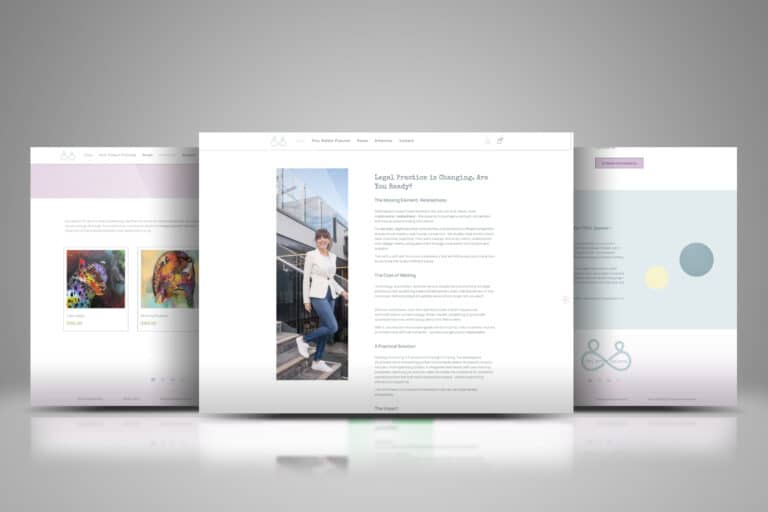 Books & consultingLegal Consulting & Author
 Retreats & coursesHoffman Process Australia
 CoursesOnline English Teaching
The client view.
I was very impressed as they were very responsive and helpful as I was a newbie. Good communication with Sabrina who took the time to explain all the process and gave some tips.
Auto parts store website questions.
Catalogue size, part-number search, trade accounts, stock, price and timing.
Ask us about your storeHow much does an auto parts store website cost?
A custom WooCommerce store costs $4,990 for Basic (6 pages), $5,990 for Standard (10 pages) or $7,990 for Premium (20 pages), as a one-off build price. Large catalogue imports, trade pricing and inventory or accounting connections are quoted after we have seen your data.
Every inclusion is on our eCommerce pricing page.
Is GST included in the price of an auto parts store?
Yes. The three build prices are in Australian dollars with GST included, and your invoice lists the GST. Hosting, your domain, payment provider fees and quoted extras are separate.
Can WooCommerce handle tens of thousands of parts?
Yes. WooCommerce runs stores with tens of thousands of products; the practical limits are usually the hosting and the quality of the data rather than the platform. Our managed WordPress hosting can be sized for your catalogue and traffic.
Can customers search by part number?
Yes. Part numbers and cross-references stored with each product are searchable, and Premium adds live product search that returns matches as people type. Good results depend on consistent part numbers in your data, which we check during the import.
Can we offer trade pricing to workshops?
Yes, as quoted work. A trade or wholesale area with account approval and trade prices can sit alongside your retail store. Customer accounts and order history come with Standard.
Can the store keep stock in step with our inventory system?
Usually, through a quoted integration. WooCommerce connects to many inventory, point-of-sale and accounting systems, including Xero and MYOB, and we confirm what your system supports before quoting. Otherwise stock can be updated in bulk from a file.
Which package suits an auto parts retailer?
Standard suits a parts store that needs product filters and categories, customer accounts, advanced shipping rules and keyword research with on-page SEO. Premium adds live product search, product compare, Apple Pay, Google Pay and Afterpay, order tracking and AI search optimisation (GEO). Basic only suits a small, simple range.
How long will an auto parts store take to build?
Longer than a small shop, because the data import is most of the work. A basic store usually takes two to three weeks; a large catalogue import, trade pricing or integrations add to that, and we agree the schedule with the scope and price.
How do parts pages earn search traffic?
Through accurate titles, part numbers and a category structure that matches how people search. Standard and Premium include keyword and category research and on-page SEO, and Premium adds AI search optimisation (GEO). No one can promise a ranking; our SEO packages carry the work on after launch.
Who runs the parts store day to day after launch?
Your team, with our help if you want it. You receive the administrator login and own the store, and Standard and Premium include one-to-one training. Our maintenance packages cover WooCommerce and plugin updates, backups, security and support.
Let's plan your parts catalogue.
Send us a sample of your product or supplier data, how many parts you carry and whether you sell to the trade. DIGITALON's in-house team at Wurtulla on the Sunshine Coast will scope the import, recommend the package and confirm the price before work starts, for parts businesses across Australia.