Museum website design. Bring your purpose to life.
Museum website design with clear content and an easy next step. Custom WordPress websites by DIGITALON’s Australian team.
Organise services, participation and support paths respectfully.
Explain your purpose, introduce your programs and make participation straightforward. Help visitors find events, support information and the right way to contact or contribute to your organisation.
01Programs and services with clear audiences
Pages can group the support, activities, exhibitions, gatherings or public resources your organisation actually provides. Visitors should be able to see who a program is for and how to take the next step. Responsible staff approve all eligibility, safety, policy and support-language content.
02Participation, referrals and donations
The site can direct people to an existing registration, referral, volunteer or donation route after the process is checked. Different audiences may need different actions. Applications, payments, donor records, membership and portal integrations are optional scope items rather than standard package features.
03Stories and images with permission
Approved stories, event images and community material can show the work in a human way when consent and context are clear. Avoid using a participant's experience as proof of a universal outcome. Content owners should review privacy, attribution and whether material remains appropriate after the event.
04News and events that do not go stale
An editable news or events workflow can help publish current programs, public notices and supporter opportunities. Nominate a team member to update and remove expired information. Ticketing, recurring donations, private member areas and complex calendars need separate provider and process review.
A website with more
than good looks.
Design gets their attention. Clear information and an easy next step help them decide what to do with it.
Built to be found
A clear page structure, relevant content and a sound WordPress foundation. SEO setup starts with Standard, shaped around the services your customers search for.
Ready for the next search
GEO setup is included with Premium. Clear answers and structured information help search and AI tools understand your business, without promising a ranking or recommendation.
A clear next step
Calls, enquiry forms and supported booking connections belong where people need them. We plan each journey around the action your business wants a visitor to take.
Museum website design packages.
Choose the space your services and story need. The same in-house design and development team, with a package to suit the scope.
Essentials
A focused website for a clear service offer.
5 custom-designed pages
- Australian designers and developers
- Mobile optimisation
- Self-editable content
- SSL certificate
- Links to your social media
- Royalty-free stock images
- Nightly backups
Standard
More room for your services, team and expertise.
10 custom-designed pages
- Everything in Essentials, plus
- Search engine optimisation (SEO)
- Image gallery with categories
- Smart image compression
- Customer testimonials slider
- WordFence firewall
Premium
A broader website with room for detailed content.
20 custom-designed pages
- Everything in Standard, plus
- AI search optimisation (GEO)
- Self-editable portfolio or blog
- Mega menu
- Google Analytics
- Spam protection technologies
- 1:1 website training
- Visitor insights reports
Digitalon was a terrific choice of supplier for the Website development component of the project. … The project was completed on-time, on budget while exceeding our expectations.
“Your expertise in web design, SEO, and so much more is amazing. Thank you for listening so carefully to our brief … It’s amazing to have DIGITALON just around the corner on the Sunshine Coast!”
“From the initial enquiry right through to the final handover their customer service was impeccable. … Their expertise is second to none, innovative & professional.”
“I am by no means tech savvy and they made it easy for me to understand everything … 100% happy with the website outcome!”
Good design.
Real websites.
A selection of DIGITALON websites across the industries we work with. Open a project to see the work in detail.
 ExhibitionsElite Projex
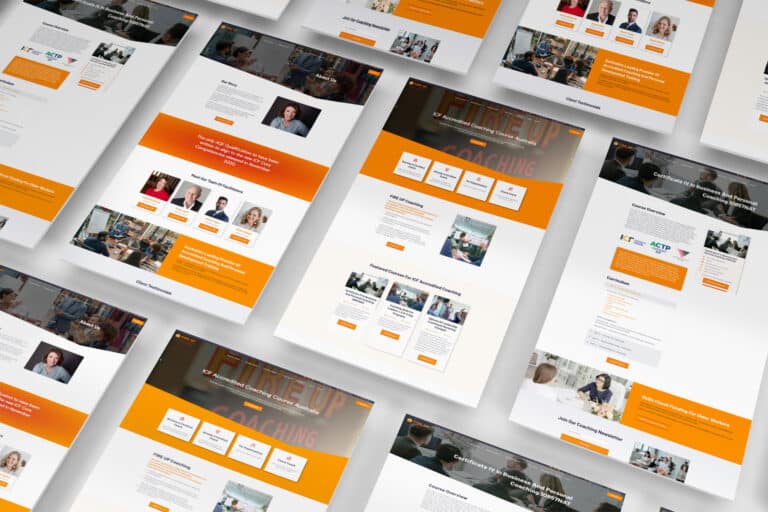 CoachingFIRE UP Coaching
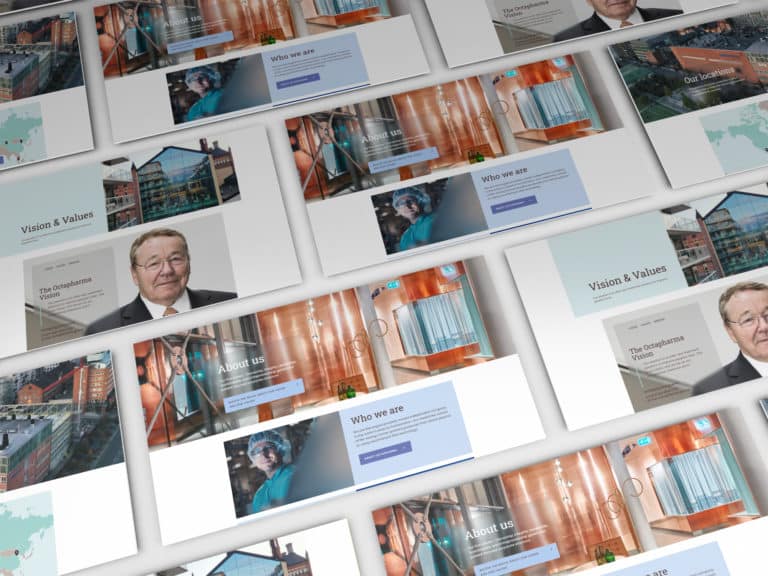 PharmaOctapharma Australia
 MedicalSunshine Coast & Wide Bay Gynaecology
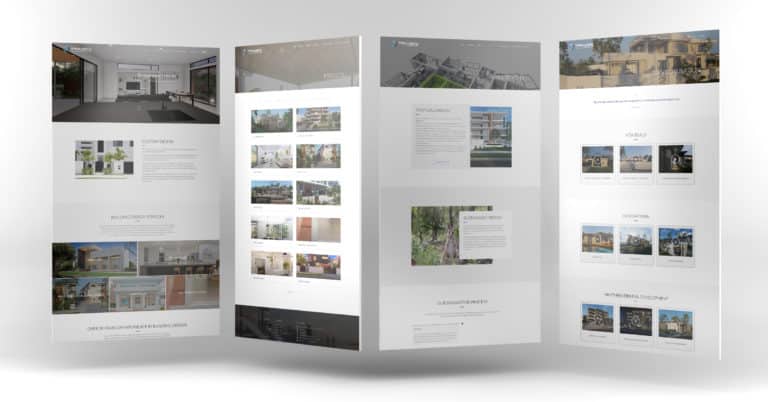 BuildingTaylor’d Distinction
 MedicalDr Sujie
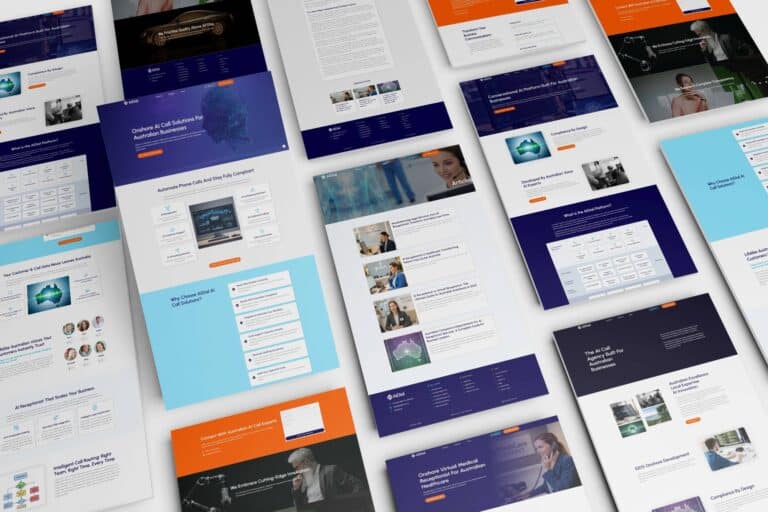 TechnologyAiDial
Every project has its own audience, services and story. These examples show our work across the sectors named below each image.
View the full portfolioWhat people need before they participate, refer or support.
Museum website design should bring exhibitions, collection highlights, opening hours and group-visit details into a clear public programme. Give educators and tour organisers a separate route for school visits, while regular visitors can find accessibility information, local directions and current exhibition dates without reading a long institution history.
Purpose, programs and eligibility
Prepare the programs, public resources, locations and audiences you want to explain. Confirm which team approves safeguarding, referral, eligibility and policy information. A website can describe your published process, but should not determine access, promise funding or present a form as a crisis or emergency service.
The right action for each visitor
Map whether a visitor should call, attend, volunteer, donate, apply, register or use an existing portal. Explain what happens after submission in accurate terms. Forms should ask only for information needed at that stage and should not imply acceptance, placement, assistance or immediate response.
Consent, images and participant stories
Gather material you have permission to publish and keep a clear record of who approved it. Use factual captions and contextual stories. Avoid exposing private circumstances or claiming that one person's experience proves a guaranteed result for future participants, donors or community members.
Tools and publishing ownership
List event, donation, CRM, volunteer, membership or referral tools already used by your organisation. A clear link to an existing provider may meet the need. Data transfers, payments, accounts and custom integrations require separate provider, privacy and ongoing-support review before scope is agreed.
We deliver.
You celebrate.
Seven steps from picking a package to showing off the result. No stage starts before you have signed off on the one before it, so you always know exactly where your project is.
Start my project-
Step 01
Select a package.
Pick the package that fits, or tell us what you need and we will scope it with you.
-
Step 02
First contact.
A call or a face-to-face meeting about your business and what the site has to do.
-
Step 03
Project proposal.
A written scope and a quote, based on that conversation. No surprises later.
-
Step 04
Sign the contract.
Contract signed and a 30% deposit paid, and your project starts — no queue.
-
Step 05
Initial design.
Your first website design, usually one to two weeks in, ready for your feedback.
-
Step 06
Revisions.
Three rounds of revisions to structure and content, until you are happy with it.
-
Step 07
Go live.
Your site launches, with the admin login and the training to run it yourself.
Museum website design questions.
A few things to consider before planning your new website.
Let’s talkCan the site accept donations?
It can be considered where the payment provider, supporter records, receipt process and responsible staff are clear. Many organisations start with a link to an existing donation platform. Payment processing, recurring gifts, CRM integration and third-party fees are separately scoped, not assumed within a general website package.
Can people register for events or programs?
Possibly, through a process or provider that matches the program. We can plan a clear registration link, enquiry path or simple editable event page. Eligibility, capacity, payment, child-safety and confirmation requirements remain with your organisation and need review before a registration workflow is included.
Can we share participant stories?
Yes, when you have informed permission, accurate context and an approved reason to publish them. Stories can help people understand your work without exposing private details or promising the same outcome for others. Keep a named reviewer for images, quotes, attribution and expiry of consent.
Can the website show that we are compliant?
A website can publish approved policy or status information, but it does not certify legal, funding, child-safety, accessibility or regulatory compliance. The responsible organisation must approve claims and documents. Formal assurance, specialist review and ongoing obligations sit outside ordinary web design unless specifically scoped.
Can staff maintain program updates?
Yes, nominated staff can update agreed WordPress program, event, contact and public-resource content after handover. Decide who reviews safety-sensitive information and removes expired pages. Technical maintenance and hosting are separate services if you want continuing platform support, security updates and reliable backups.
What affects the size of a community website?
The number of programs, locations, audiences, resources, events and optional participation systems determines the page plan. Current tiers are 5, 10 and 20 pages, with SEO setup from Standard and GEO setup from Premium. Donations, memberships, portals and ongoing SEO are separately assessed.
How should a museum present temporary exhibitions?
Give each exhibition its own concise page with its dates, gallery location, key works or themes and any associated talk or tour. Retain an archive once it closes, but keep it visually distinct so visitors do not mistake past exhibitions for current programmes.
Can we start with the main pages and add more later?
Yes. Agree the essential page list first, then identify the content you would like to add later. We plan the navigation so the initial site is useful on its own. Additional page design, specialist functionality and third-party connections are quoted to their scope when you are ready to proceed.